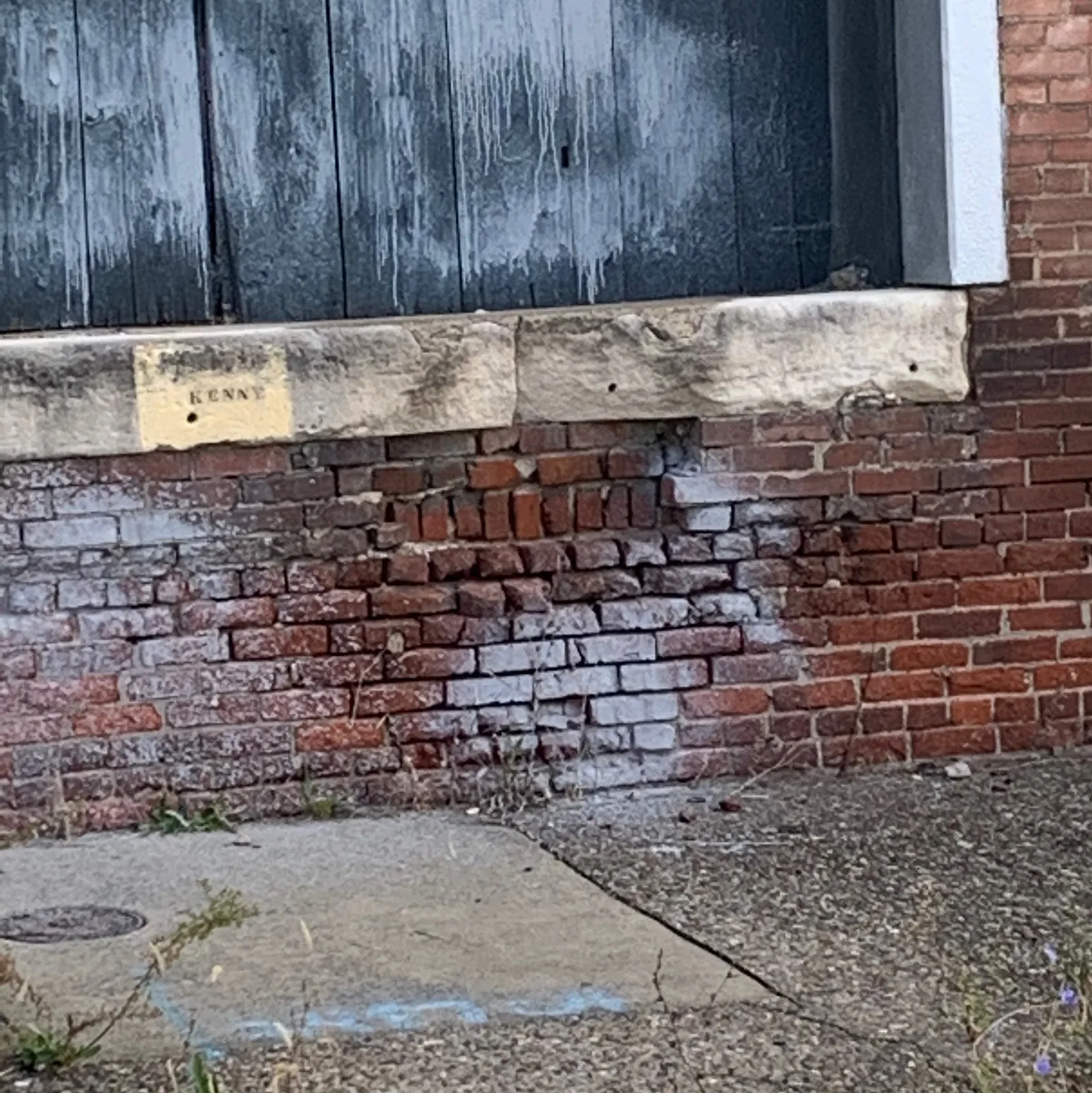
What happens when you paint over a dirty surface
Paint is an adhesion product. Its long-term performance depends entirely on the quality of the bond between the paint film and the surface it's applied to. When that surface has biological growth (mold, mildew, algae), chalk from UV-degraded old paint, dirt, or other contamination, the paint bonds to the contamination rather than the substrate. The result is a finish that fails from below — peeling and flaking within a year or two, not from normal weathering from above.
This is one of the most common and most preventable causes of early paint failure on Louisville homes. Painters typically know better, but paint applied by homeowners or the occasional low-bid contractor over inadequately prepared surfaces produces exactly this result: a fresh coat that looks great for one season and starts failing by the second or third.
Why soft washing beats pressure washing for paint prep
The temptation is to blast the surface with maximum pressure before painting — get rid of everything aggressively, then start fresh. The problem: high pressure on wood, stucco, or older painted surfaces can raise the wood grain, erode the surface texture of stucco, create small cracks in brittle old paint layers, and force water into wall cavities. All of these problems compromise the painting job, not improve it.
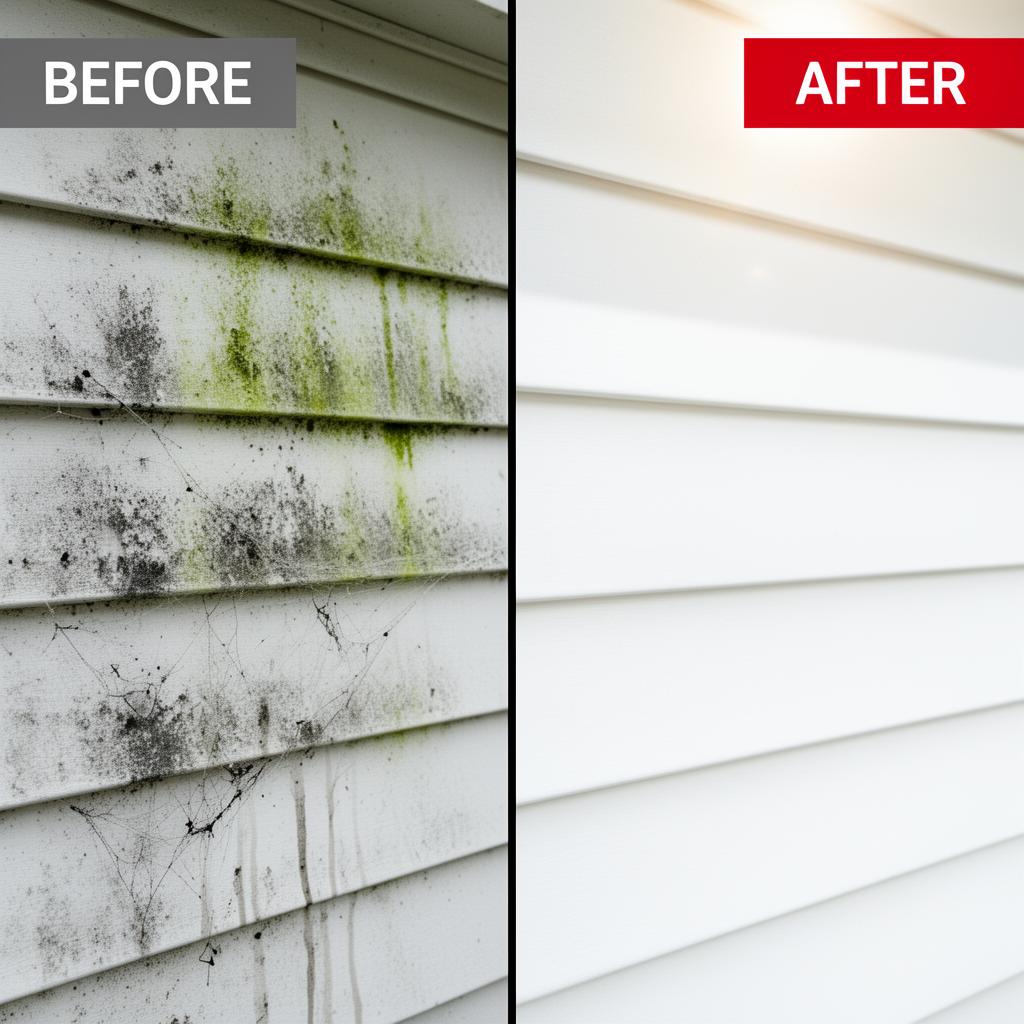
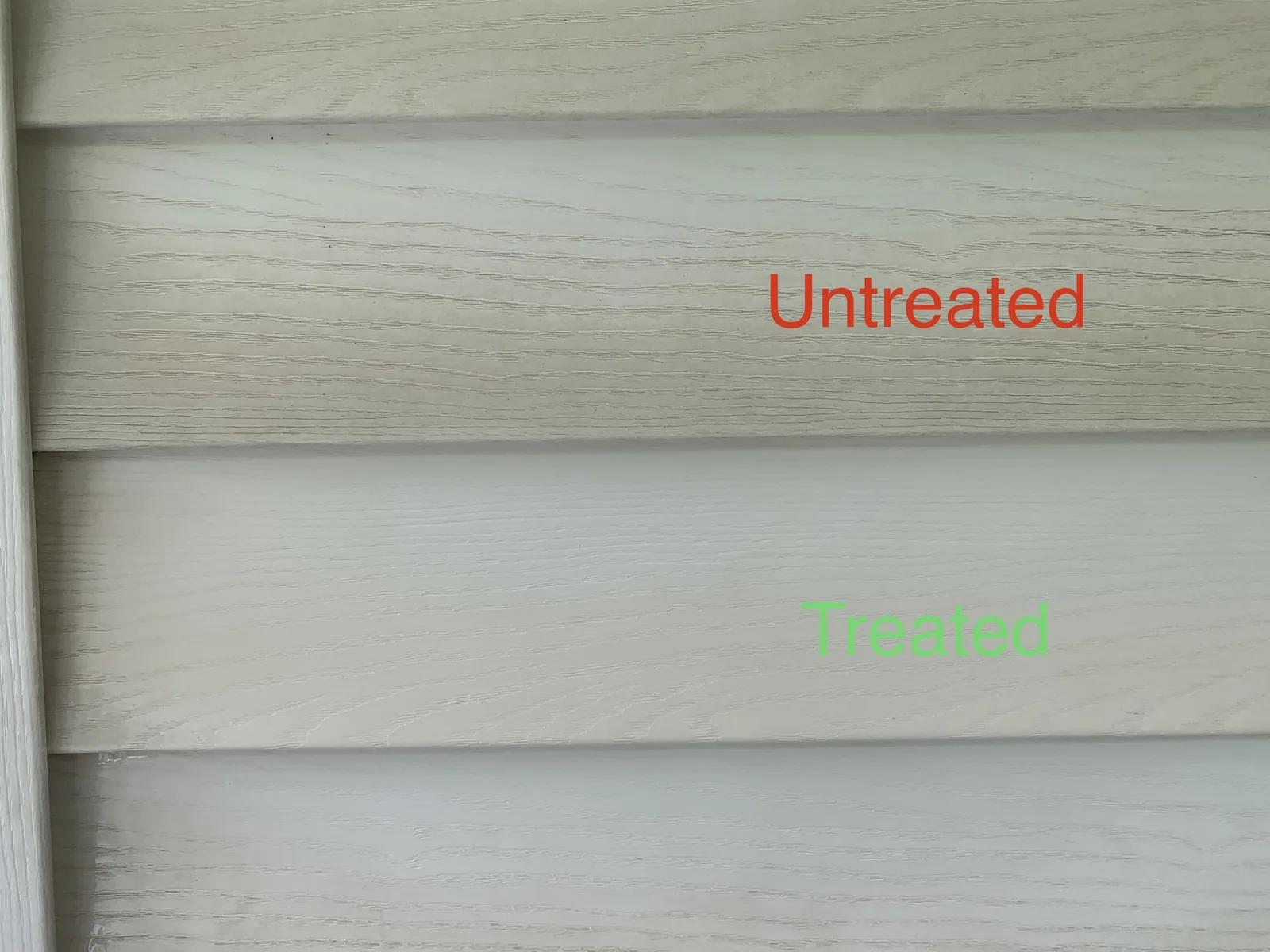
Professional soft washing — low pressure combined with professional cleaning chemistry — removes biological growth, chalk and surface contamination without the physical trauma. The surface comes out clean, intact, and in the best possible condition to accept primer and topcoat. That's what a painter needs walking onto a properly prepared exterior.
The prep sequence for exterior painting
Here's the correct order of operations for preparing a Louisville home exterior for painting:
- Soft wash the exterior: Kill and remove all biological growth, chalk and surface contamination. Allow 48–72 hours to dry completely.
- Scrape and sand: Manually remove any remaining loose, peeling or flaking paint. Feather the edges of intact paint to create smooth transitions.
- Spot prime bare wood: Any bare wood exposed by scraping gets spot-primed before full priming begins. This seals the wood and prevents tannin bleed-through.
- Caulk windows, doors and joints: Fresh caulk on clean, dry surfaces. Never caulk over dirty or wet surfaces.
- Prime the full exterior: A quality exterior primer designed for the substrate (wood, stucco, previously painted surface).
- Apply topcoat(s): Two coats on most Louisville exterior projects for durability in our humidity-heavy climate.
Skipping step 1 or rushing it — doing a quick rinse instead of a proper soft wash — undermines every subsequent step.
How long to wait between cleaning and painting
In Louisville's climate, the standard recommendation is 48 hours after soft washing before applying primer, assuming temperatures are above 50°F and there's no rain in the forecast. In cooler weather (below 60°F) or at higher humidity, 72 hours is safer. The wood or stucco needs to be genuinely dry — not surface-dry, but dry through the depth of the material.
A moisture meter is the definitive tool here. Most professional painters carry one. If you're coordinating the cleaning and painting yourself, rent or buy a wood moisture meter (under $30 at hardware stores) and confirm readings below 15% before priming. Surface-check the wood in the early morning before the day's heat has dried the surface further — morning readings give you the true moisture state.
What painters say about working with properly washed surfaces
The painters we work with regularly across Louisville consistently tell us the same thing: properly soft-washed surfaces are dramatically easier to work with. Paint goes on more evenly, adhesion is better, fewer primer coats are needed, and the finished job looks better and lasts longer. Painters who've had to come back and repaint a failing job that was done over improperly cleaned surfaces tend to be very particular about prep from then on.
If your painter hasn't specified exterior cleaning as part of the prep scope, ask about it. If they're leaving it entirely to you, make sure the cleaning is done right — not just hosed down, but properly soft-washed with appropriate chemistry and sufficient dwell time.
Pre-painting cleaning in Louisville
Louisville pressure washing from our crew supports painting projects — we regularly work directly with Louisville painters and homeowners on pre-painting exterior preparation. We can coordinate timing with your painter's schedule to ensure the house is clean and dry on the day they need to start. Call or text (502) 777-8024 or use the quote form to schedule your pre-paint cleaning.
— The Louisville Housewash Crew
Coordination between cleaning crew and painters
In Louisville, the pre-paint cleaning and the painting itself are typically handled by different companies. We specialize in exterior cleaning; painters specialize in surface prep, priming and application. When these two crews coordinate well, the result is better than when they work without communication.
Here's what good coordination looks like: we provide the painter with the cleaning date and our estimate of drying time for the specific weather conditions. The painter plans their prep and prime schedule accordingly. If weather delays the cleaning, the painter knows immediately rather than showing up to wet surfaces. We're experienced at this coordination and happy to communicate directly with your painting contractor if that simplifies logistics.
If you're getting multiple bids for the painting itself, mentioning to each painter that the exterior will be professionally soft-washed before they start is a useful signal. Experienced exterior painters will either already include cleaning in their scope (and will reduce their bid knowing you're handling it separately) or will respond positively. Either way, it's a marker that you understand proper exterior painting practice — which tends to attract better painters.
Specific surfaces that need extra care before painting
Not every surface on a Louisville home exterior has identical pre-paint cleaning requirements. A few situations worth noting:
Stucco: Stucco is porous and can hold moisture deep in the substrate even after the surface appears dry. In Louisville's humidity, stucco needs more drying time than vinyl or wood after cleaning — often 3–5 days rather than 2. Paint applied over damp stucco blisters. If your home has stucco surfaces being repainted, build extra drying time into the schedule.
Bare wood from scraping: Any areas where old paint has been removed during prep expose bare wood that can re-contaminate quickly — especially in spring and summer when biological growth is active. The window between cleaning, scraping, and priming should be kept as short as weather allows. Don't clean, wait two weeks to scrape, and then prime — the bare wood may be growing mold by then.
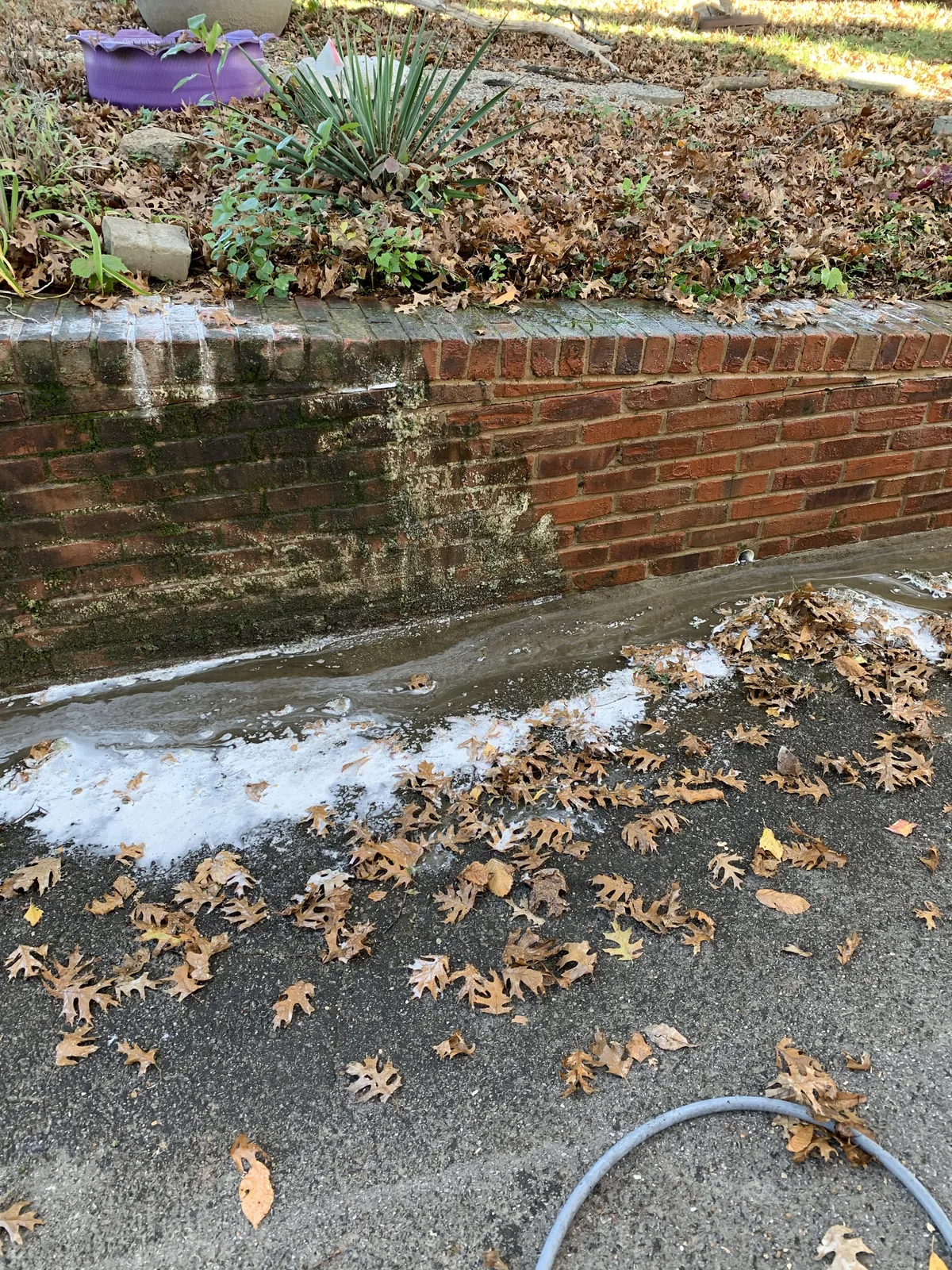
Masonry and brick being painted: Painting brick is a significant and largely irreversible decision, but when done, the masonry preparation requirements are stringent. Any efflorescence must be removed with acid treatment before cleaning; biological growth must be killed completely; the masonry must be bone dry before primer application. Louisville's humidity requires extra vigilance on this drying requirement.
Pre-paint cleaning as part of a full exterior renovation
Many Louisville homeowners who are having their exterior repainted also take the opportunity to address other deferred maintenance: caulking around windows and doors, painting or replacing fascia boards and trim, addressing any rot discovered during prep. This is sensible — it's more cost-effective to address everything while painters are already mobilized. The cleaning step should be first in this sequence: clean, then assess, then decide on repair scope, then prime, then paint. Doing it in this order means you're making repair decisions based on a clean surface rather than a dirty one where it's hard to see the full condition.
Call or text (502) 777-8024 to schedule pre-paint exterior cleaning in Louisville. We routinely coordinate with exterior painters across Jefferson County and the Kentuckiana region and can work within your project timeline.
What happens to the exterior cleaning runoff?
This is a question painters and homeowners occasionally ask about soft washing before painting: where does the cleaning solution and rinse water go, and does it affect anything on the ground? Practically, the runoff drains off the siding, through the gutters and downspouts, and onto the surrounding lawn and landscaping. The pre-rinse and post-rinse of all landscaping is how we manage this — dilution and rinsing prevent the sodium hypochlorite from concentrating in any area long enough to cause plant damage.
On concrete surfaces (driveways, walkways) the runoff is highly diluted by the time it reaches the concrete and has no meaningful effect. Paint crews who are concerned about surface contamination from cleaning runoff on already-bare wood should discuss timing with us — we can ensure that raw wood areas are rinsed clean and dried well before painters begin their work.
The bottom line on timing: clean the exterior, allow 48–72 hours of drying (more in cool or humid conditions), then prime and paint. That sequence produces exterior paint jobs that last in Louisville's challenging climate. Skip or rush the cleaning step and you're painting on a compromised surface. Call (502) 777-8024 to schedule pre-paint exterior cleaning.
Exterior painting is a significant investment — most Louisville exterior paint jobs run $3,000–$8,000+ for a full house. Protecting that investment with proper pre-paint cleaning costs a fraction of the job and can double the lifespan of the coating. Call (502) 777-8024 to schedule pre-paint exterior cleaning that your painter will appreciate.